How to Create a Moodboard
A moodboard is often the very first step in the design process, and honestly one of our favorites. It is the moment when ideas stop living in your head and finally start becoming something you can see.
The right moodboard captures emotion, tone, personality, and direction. It gives you clarity. And most importantly, it helps you make confident creative decisions because everything is anchored in a visual story.
If you are building or refreshing your brand, here is a full guide to creating a moodboard that feels intentional, aligned, and true to you.
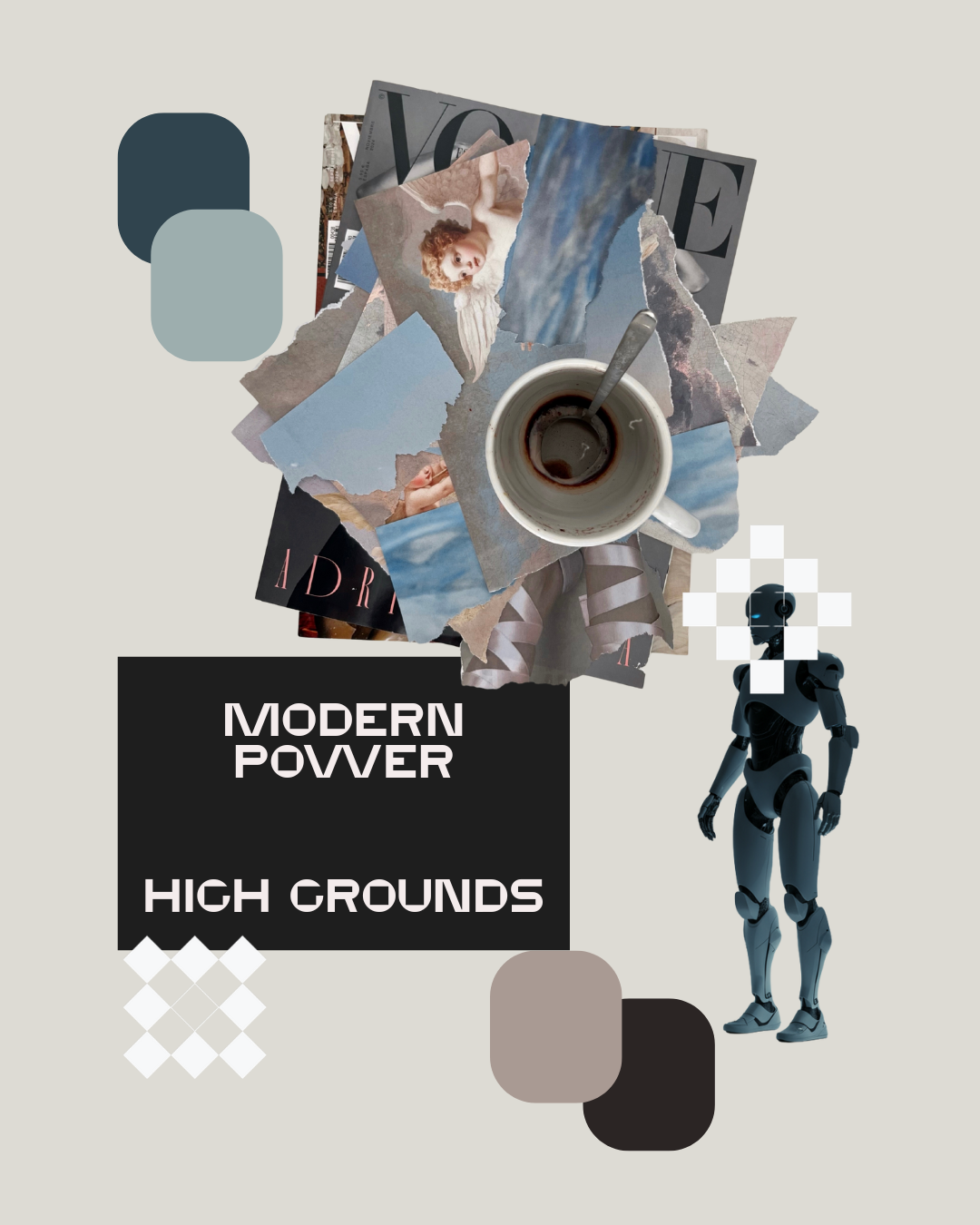
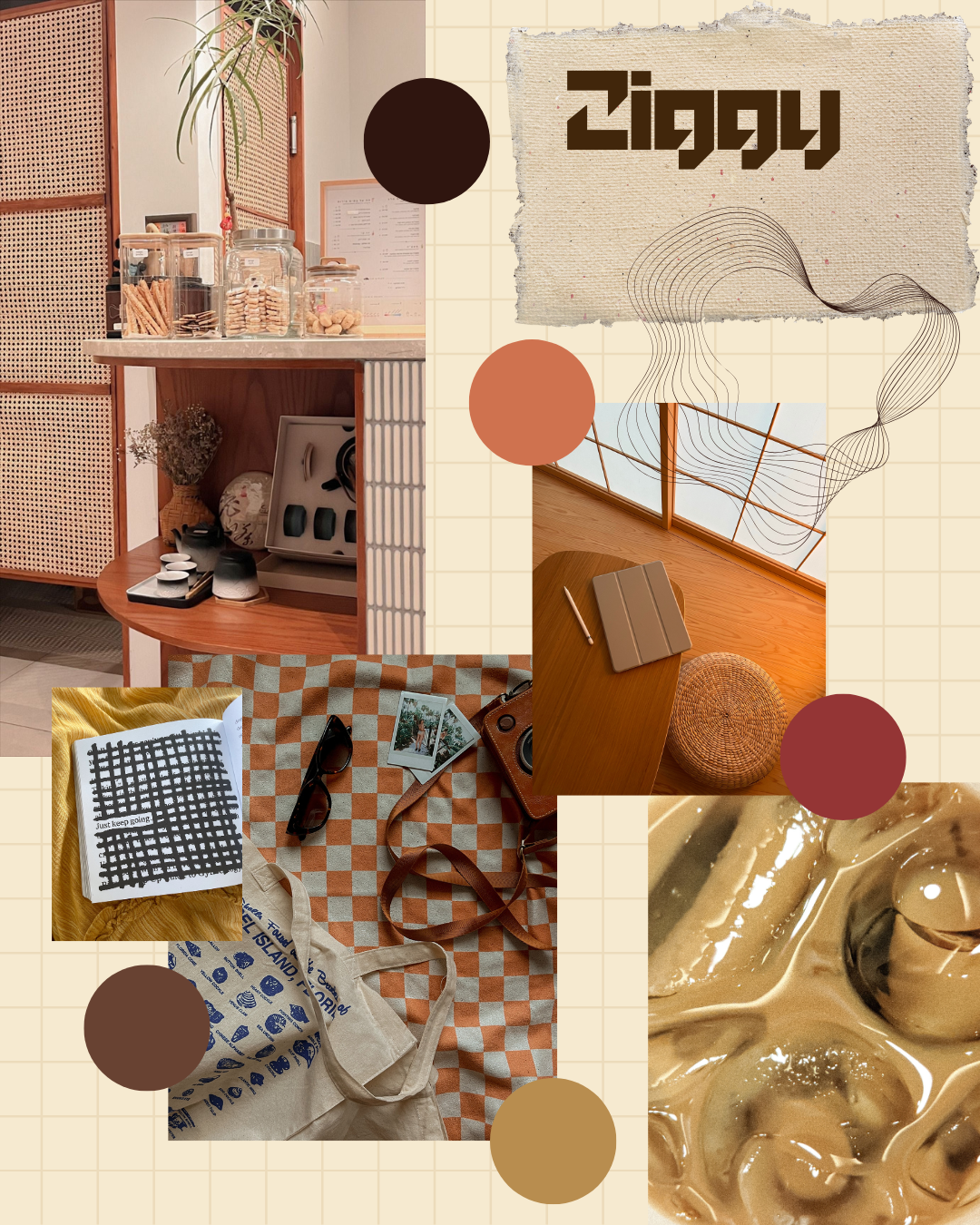
Step 1: Define Your Vision
Before you start collecting anything, pause for a moment.
Ask yourself a few grounding questions:
• What story do I want my brand to tell
• Who am I speaking to
• How do I want people to feel when they see my brand
• What is the personality of my brand
• What do I want this brand to stand for
You do not need perfect answers. You simply need clarity on the feeling.
Calm and grounded
Bold and energetic
Warm and comforting
Playful and inviting
Your emotional direction becomes the filter for what you choose later. When your vision is clear, your moodboard becomes intentional instead of random.
Step 2: Gather Inspiration
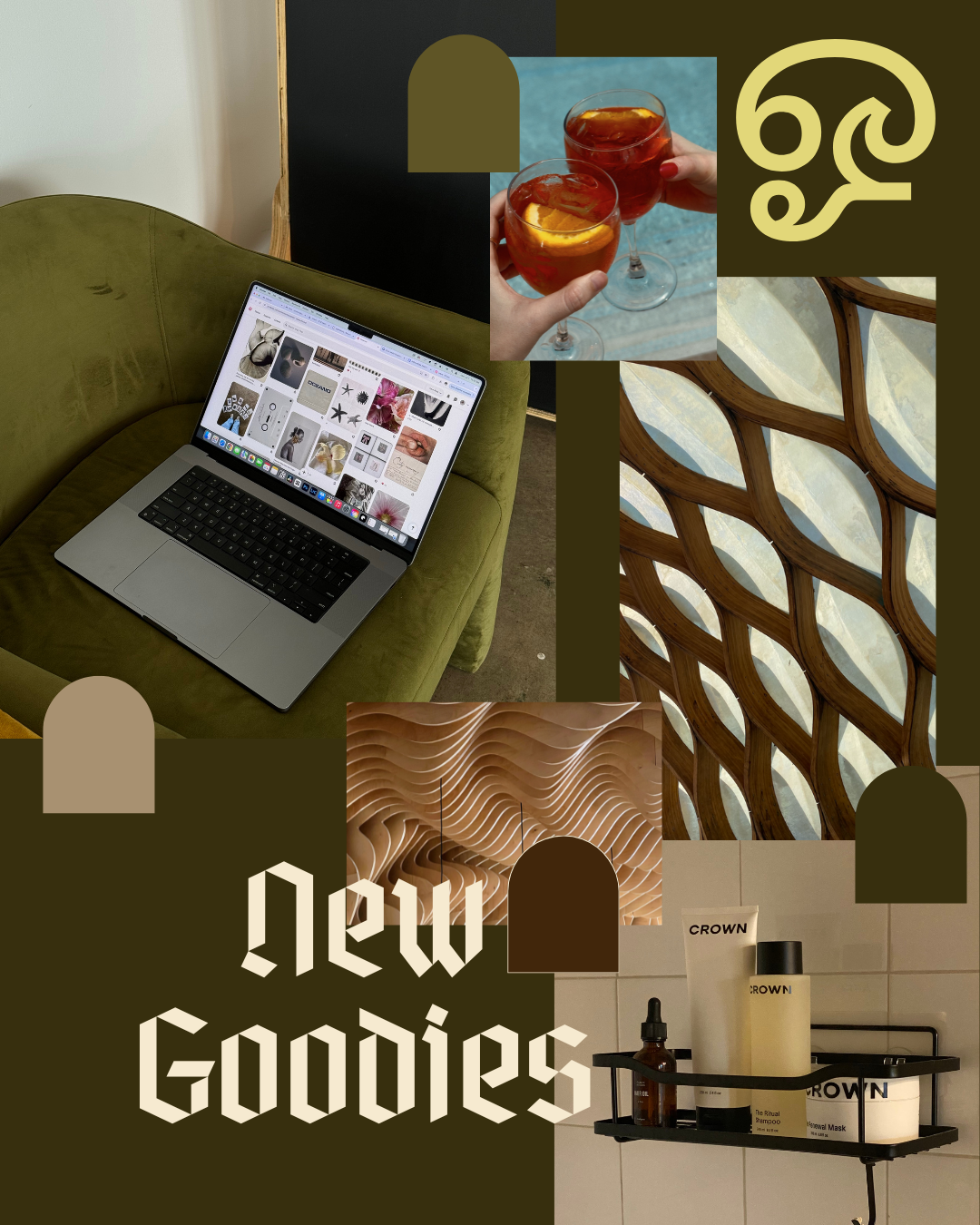
Now comes the fun part. Start collecting visuals that match the energy of the brand you want to build. Inspiration is everywhere. You just have to start paying attention to what catches your eye.
Some great places to explore are Pinterest and Instagram for curated aesthetics, your own camera roll, magazines and album covers, and the colors you see in nature, fashion, and art.
When something makes you stop for even a second, ask yourself why.
Is it the color
The mood
The texture
The composition
The emotion
The best moodboards are built from visuals that feel right, not just ones that look pretty.
Step 3: Curate Your Colors
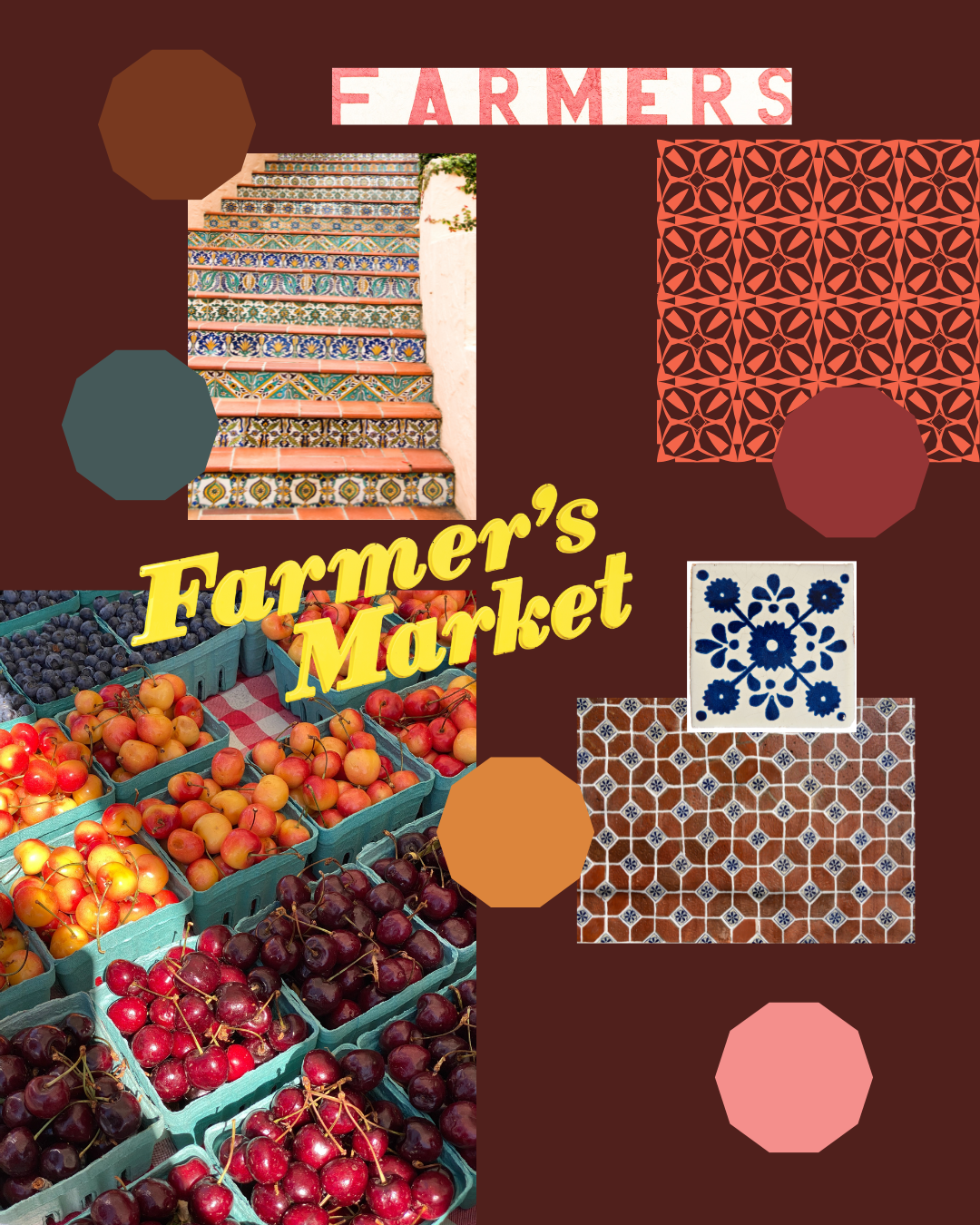
After gathering inspiration, certain colors will stand out. Maybe it is warm earth tones, bright citrus shades, soft neutrals, or bold jewel tones.
Choose a small color palette with good contrast so the shades work well together in photography, branding, and design. Your color palette becomes the emotional backbone of your brand, so choose colors that reflect the feeling you want to evoke.
A helpful question to ask yourself:
Does this palette make me feel the same way I want my audience to feel
If it does, you are on the right track.
Step 4: Add Design Details
This is where your brand’s personality starts to become clearer.
Look for specifics like:
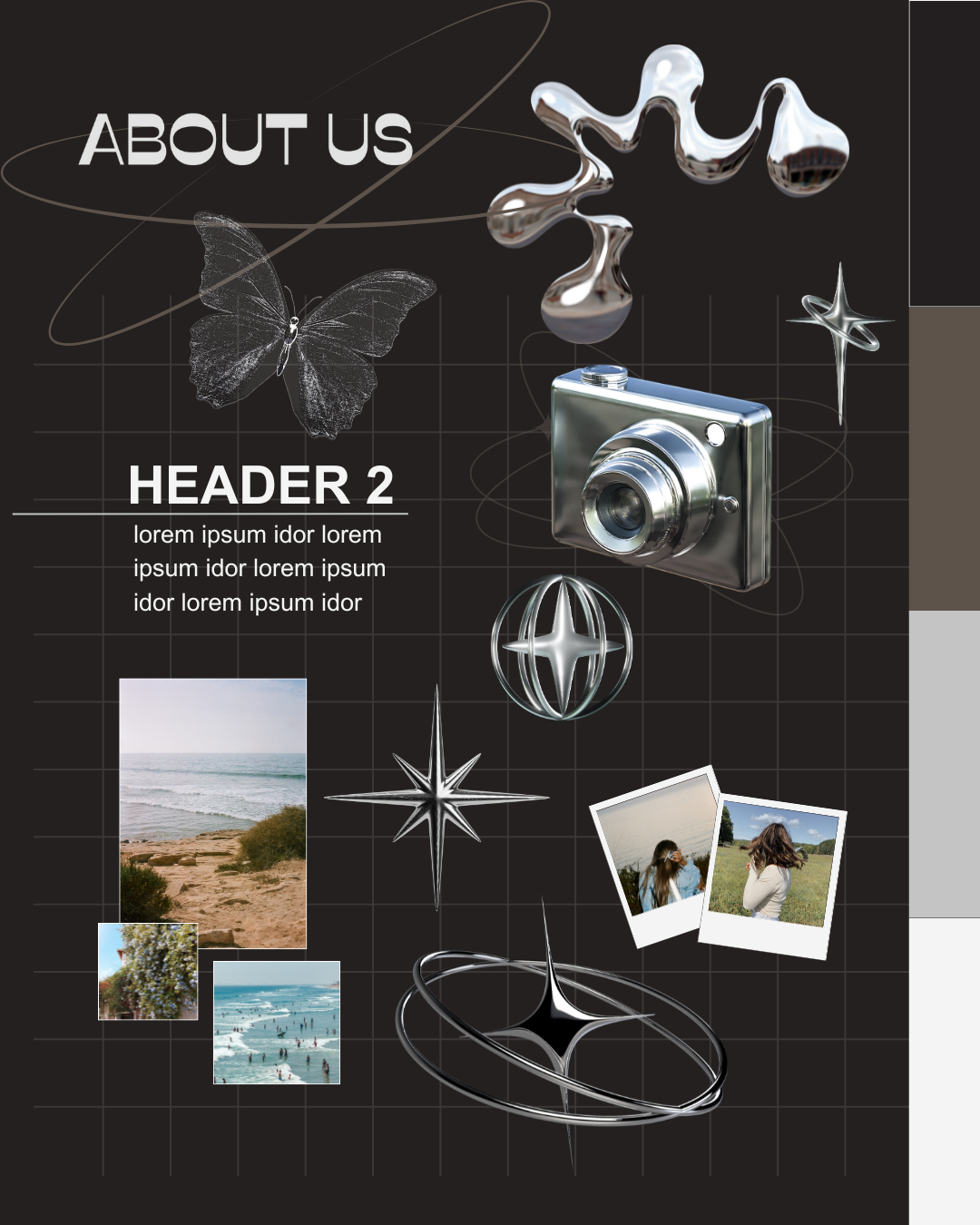
• Logo styles you naturally gravitate toward
• Typography that matches your tone
• Graphic elements that feel aligned
• Packaging styles that reflect your aesthetic
• Layouts or compositions you love
This step helps you understand what type of visual language your brand resonates with. Clean and minimal with lots of white space. Bold and expressive with statements. Soft and approachable with organic lines.
These details build the first layer of your brand’s identity.
Step 5: Layer in Extras
Once you have the core visuals, add the details that make the brand feel richer.
Textures
Patterns
Illustrations
Icons
Styling references
These might seem like small things, but they add depth and consistency. They also help you (and your designer) understand how your brand might extend across packaging, social media, your website, and other touchpoints.
Step 6: Quality Over Quantity
More does not mean better.
Aim for under twenty visuals that truly represent your brand.
You want clarity, not confusion.
You want direction, not noise.
While editing, keep two things in mind:
Your target audience and the emotions you want them to feel.
If a visual does not support either of those, remove it.
Step 7: Final Review
Step back and look at everything together.
Does it feel cohesive
Does it match the story you want your brand to tell
Does it reflect the energy and experience you want people to feel
If the answer is yes, you are in a good direction for your brand design direction. The moodboard becomes your guide. Every creative decision becomes easier because you already know what belongs and what does not.
The Takeaway
A moodboard is not just a collage. It is your brand’s blueprint. It is the visual starting point that brings clarity, alignment, and intention to your entire design process.
When you approach it with purpose and curiosity, you end up with something that feels grounded, inspiring, and uniquely yours.
If you are ready to turn your moodboard into a full brand identity, Gulabi Mango would love to bring your vision to life. ✨