Super Bowl 2026 Ads: Marketing Lessons from the Big Game
Let's talk about the most expensive 30 seconds in advertising.
Super Bowl LX just wrapped, and with it came the annual spectacle of brands spending $8-10 million for half a minute of airtime. That's more than most small businesses spend on marketing in a decade. For a single spot. That might not even work.
The stakes? Over 100 million viewers. Brands fighting for attention in a sea of celebrities, humor, and increasingly expensive production budgets. One memorable moment can shift public perception overnight. One tone-deaf ad can tank a brand's reputation for months.
So, let’s see which ads actually delivered this year? And more importantly, what can the rest of us learn from them?
AD 1: PEPSI'S POLAR BEAR
Stealing Coke's Icon in a Blind Taste Test
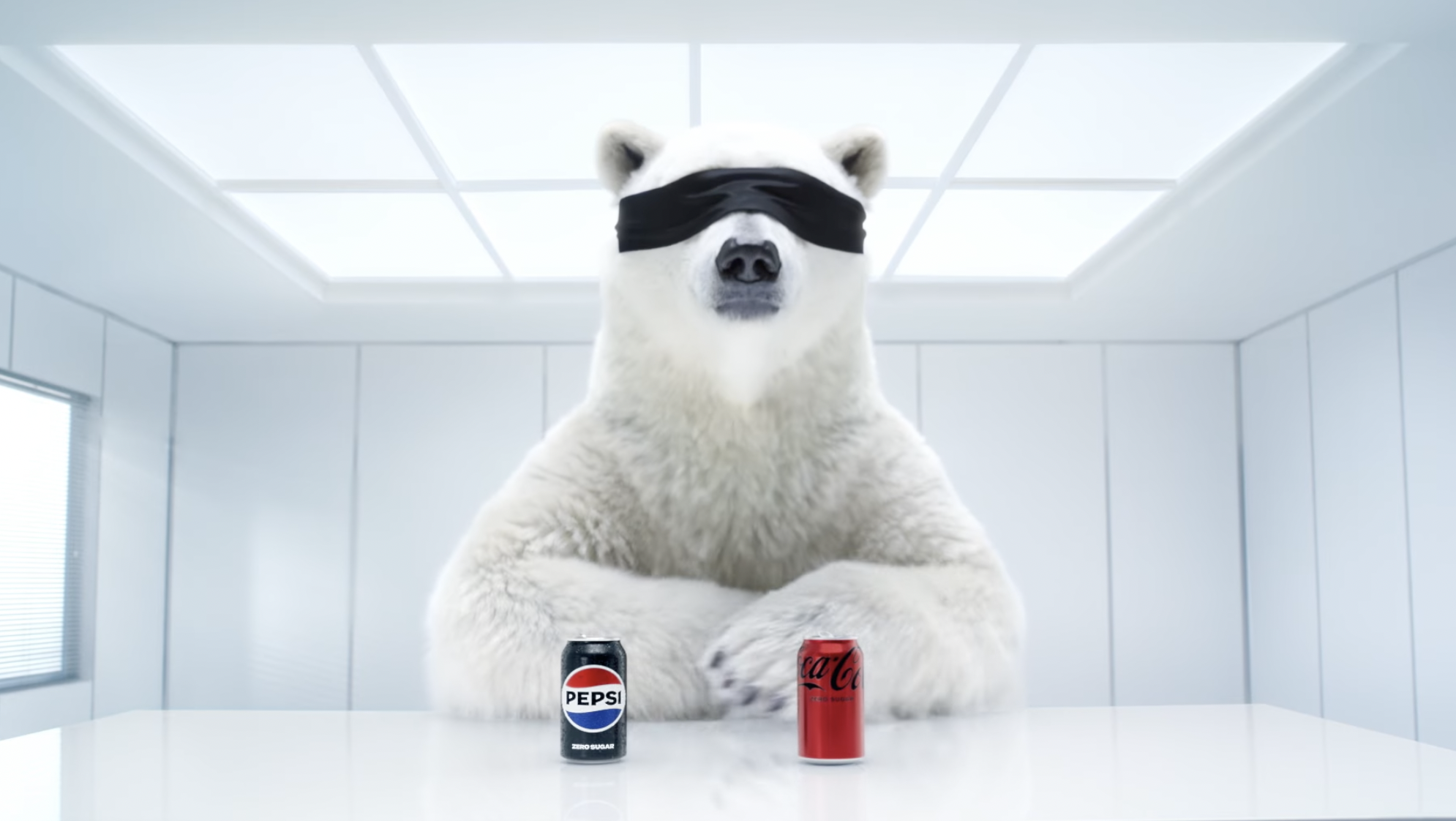
TestThe Setup: A Coca-Cola polar bear picks Pepsi in a blind taste test, then visits a therapist.. Later, two polar bears get caught on a kisscam drinking Pepsi, a callback to the viral Coldplay kisscam moment.
Why It Worked:
Bold competitive jab using Coke's own mascot
Referenced a cultural moment everyone knew
Humor + nostalgia + provocation
Made Pepsi drinkers "feel good" about their choice
Marketing Takeaway: If you're the challenger brand, be bold. Reference cultural moments. Make your audience feel smart for choosing you. Watch the ad here.
AD 2: GOOGLE GEMINI AI
"New Home" - Emotion Meets Utility

The Setup: A mom and young son use Google Gemini AI to visualize their new house with fresh paint, new decor, and a garden.
Why It Worked:
Tugged at heartstrings (new home = fresh start)
Showed clear product utility (visualize before you buy)
Made AI feel approachable, not intimidating
Earned an "A" from Kellogg's expert panel
Marketing Takeaway: The best ads make you feel something while showing you why the product matters. Emotion without function is forgettable. Function without emotion is boring. Do both. Watch the ad here.
AD 3: GRUBHUB x GEORGE CLOONEY
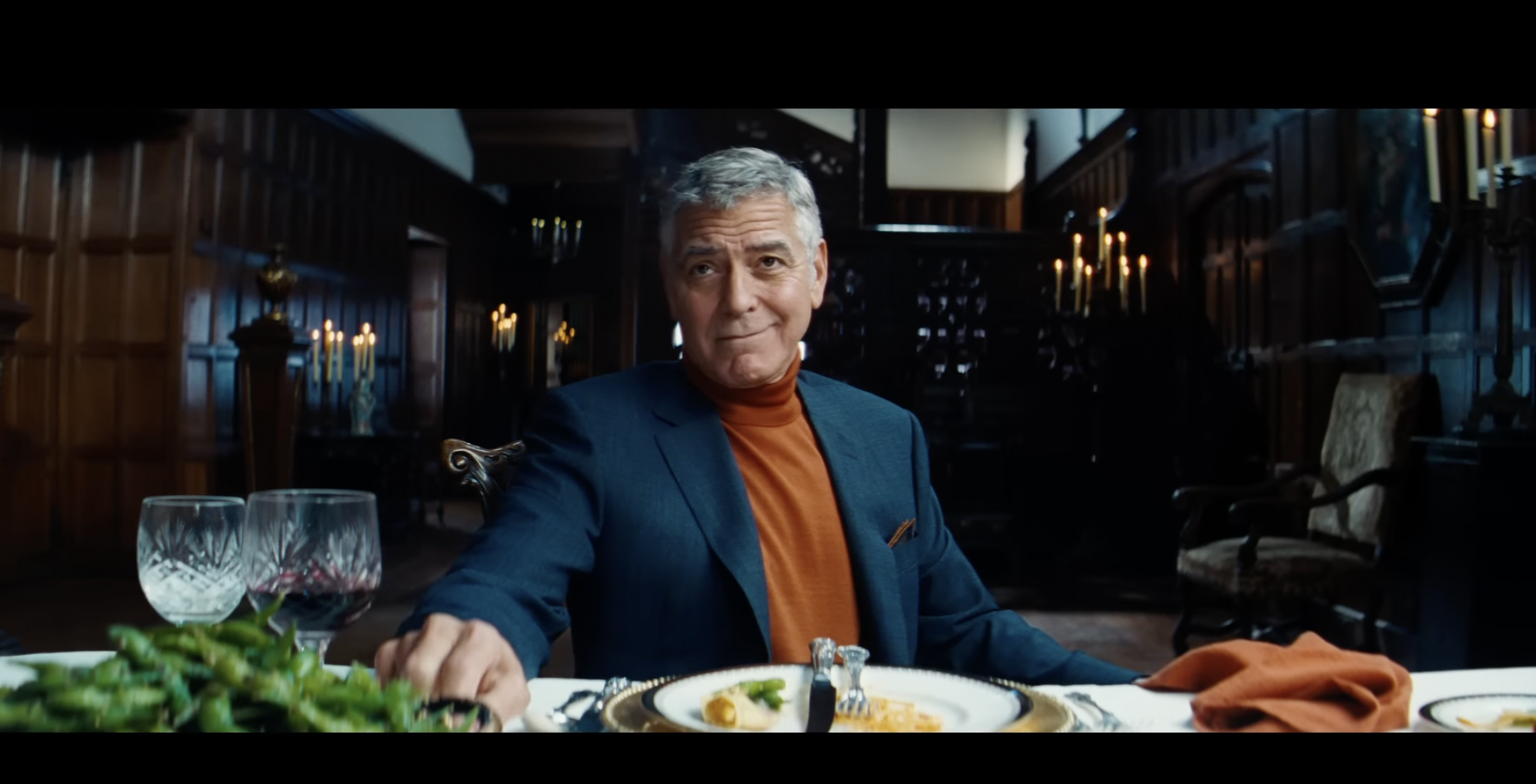
The Setup: George Clooney appears at a dinner to announce Grubhub will eliminate delivery and service fees on orders over $50. Directed by the auteur behind Poor Things.
Why It Worked:
Celebrity + prestigious director = elevated execution
Clear, simple value proposition (no fees = $ saved)
High production quality signaled premium brand
Made a functional benefit feel special
Marketing Takeaway: How you say it matters as much as what you say. A boring benefit ("no fees") can feel exciting with the right creative direction and talent. Watch the ad here.
AD 4: PRINGLES x SABRINA CARPENTER
"Pringleleo" - Building Your Dream Man
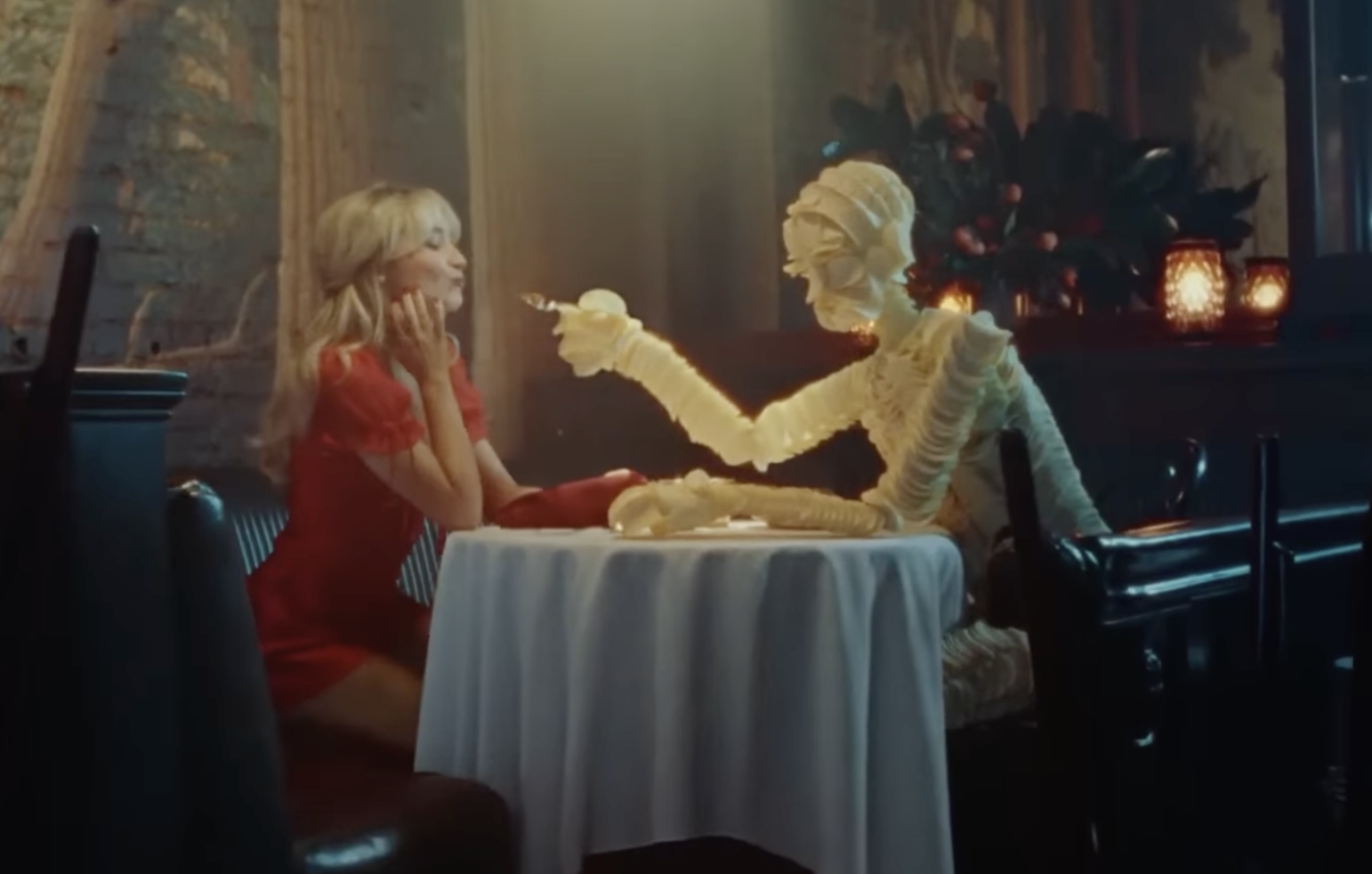
The Setup: Sabrina Carpenter builds her dream man -"Pringleleo", out of Pringles chips. Funny, absurd, and surprisingly charming.
Why It Worked:
Absurd humor that's memorable
Celebrity choice aligned with target demo (Gen Z/Millennial)
Product integration felt natural, not forced
Playful concept that sparked conversation
Marketing Takeaway: Absurdity sticks. If you can tie your product to a ridiculous, entertaining concept that people will actually talk about, you win. Watch the ad here.
AD 5: ANTHROPIC'S CLAUDE
"Ads Are Coming to AI. But Not to Claude."
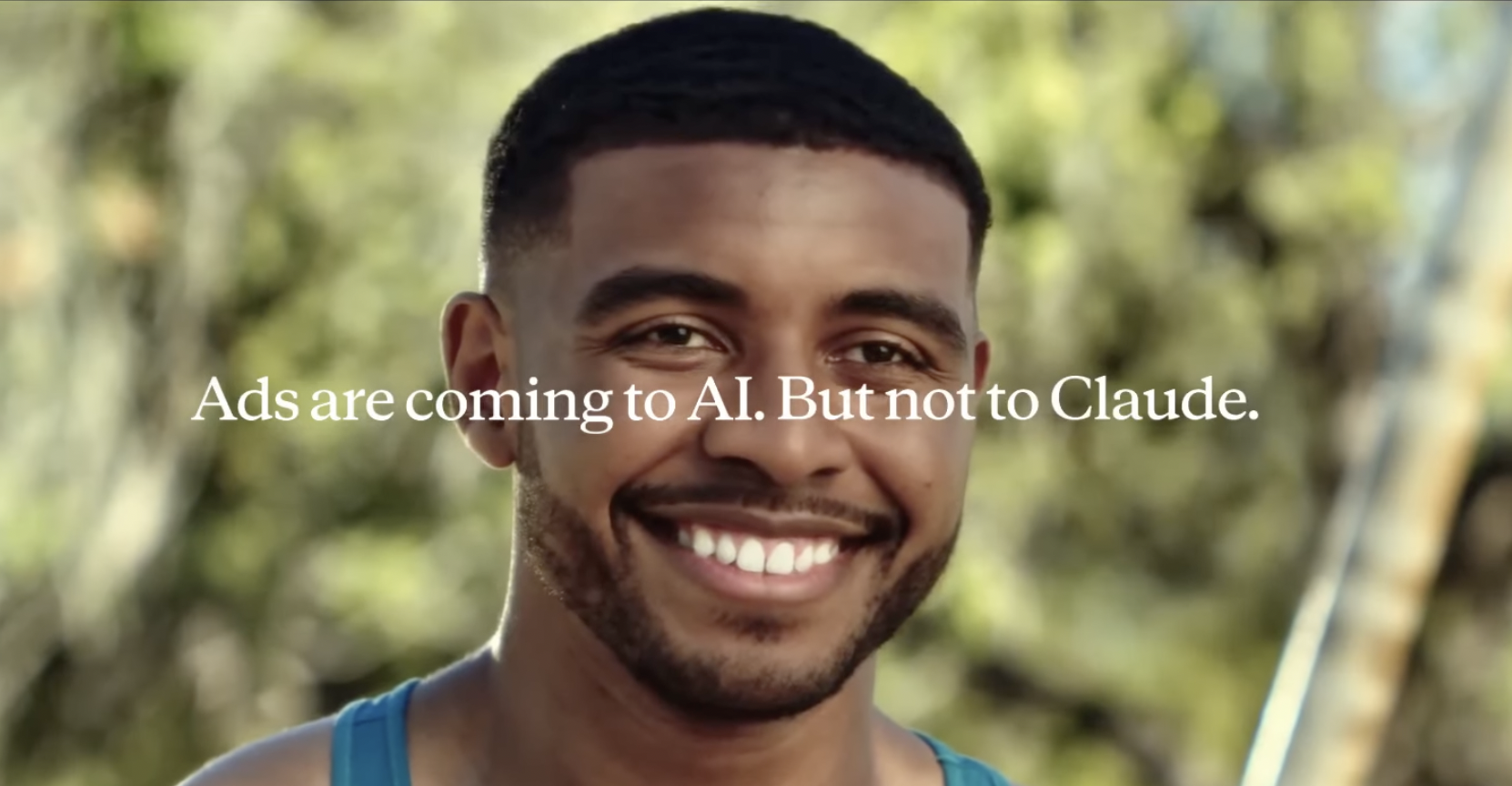
The Setup: A young man asks an AI chatbot for workout help, but the bot tries to sell him shoes he doesn't want. Cut to: "Ads are coming to AI. But not to Claude."
Why It Worked:
Clear competitive positioning against ChatGPT
Addressed a real user concern (AI monetization)
Simple, relatable premise
Made the product benefit crystal clear
Marketing Takeaway: Don't just say you're different, show a specific problem your competitor has that you don't. Competitive positioning works when it's precise and rooted in customer pain. Watch the ad here.
What This Means for Brands That Aren't Spending $10 Million
You might be thinking: "Cool, but I'm not Pepsi. I don't have George Clooney's phone number. How does this apply to me?"
Here's the truth: the principles are the same, regardless of budget.
You can:
Be clear about what makes you different from your competition (you don't need a $10M ad to do this, you need clarity)
Show, don't just tell, what your product does (use customer stories, demos, before-and-afters)
Tap into cultural moments your audience cares about (this doesn't cost money, it just requires you to pay attention)
Use humor, absurdity, or emotion to make your message memorable (creativity > budget)
Elevate your execution (even on a small budget, you can invest in good design, good copywriting, good storytelling)
The Super Bowl is advertising's biggest stage. But the lessons apply to Instagram ads, email campaigns, website copy, and every other touchpoint where you're trying to connect with your audience.
Know your competition. Know your customer. Know what you stand for. And don't be boring.
Want to build marketing that actually connects? Let’s connect!
